Category Archives: Traffic Safety

Safely Home: Family Rules to Keep Your Loved Ones Safe

Keep your family safe on the road with these 3 simple rules

Are you nervous about your teen getting a drivers license? Do you worry about passing down unsafe driving habits to your kids? Don’t wait until there’s a close call, a ticket, or worse – a crash – to talk about traffic safety with your loved ones.

Family Rules are an easy way to prioritize safety and build safe habits with your loved ones.

Our driving behaviors are shaped by our families and habits we observed as children. When we agree to a set of rules as a unit, we help keep each other safe.

Rule 1: Eyes on the Road, Hands on the Wheel
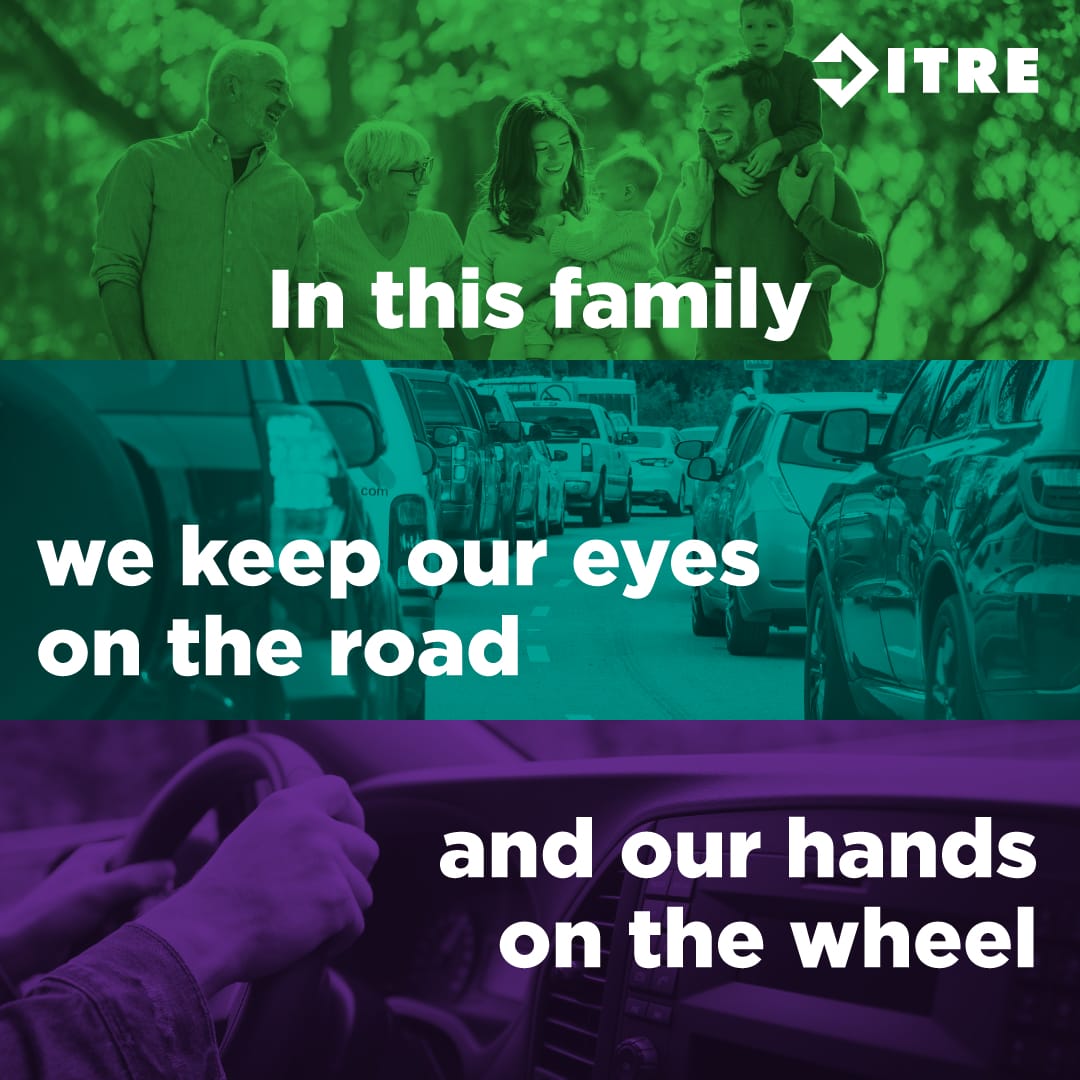
Do you want your teen driving distracted? Of course not! The best way to keep the phone out of their hands is to commit as a family to keep eyes on the road and hands on the wheel.

Help each other stay accountable by refraining from texting or calling while someone is driving. Explain your reasoning out loud to smaller children (for example, “I can hear Grandma calling but I’ll call her back once we’re stopped”) and most importantly, stick to it. We can’t expect our kids to avoid distracted driving if we do it.

Make a plan for emergencies so no one feels worried about missing something while driving.

“If there is an emergency while I know he’s driving, I’ll call twice in a row to alert him. He’ll pull over somewhere safe and call me back.”

Use technology to help you stay focused.

“We use Android Auto so I can use voice commands to change music or look up directions.”

“I set up my phone to automatically go into Driving Mode, silencing texts or calls, whenever it connects to my car’s Bluetooth.”

Rule 2: The car doesn’t move until everyone is buckled

Establish seat belts as step one to every and any trip. Even if your family is good about seat belts, say this rule aloud before every trip to help it become second nature.
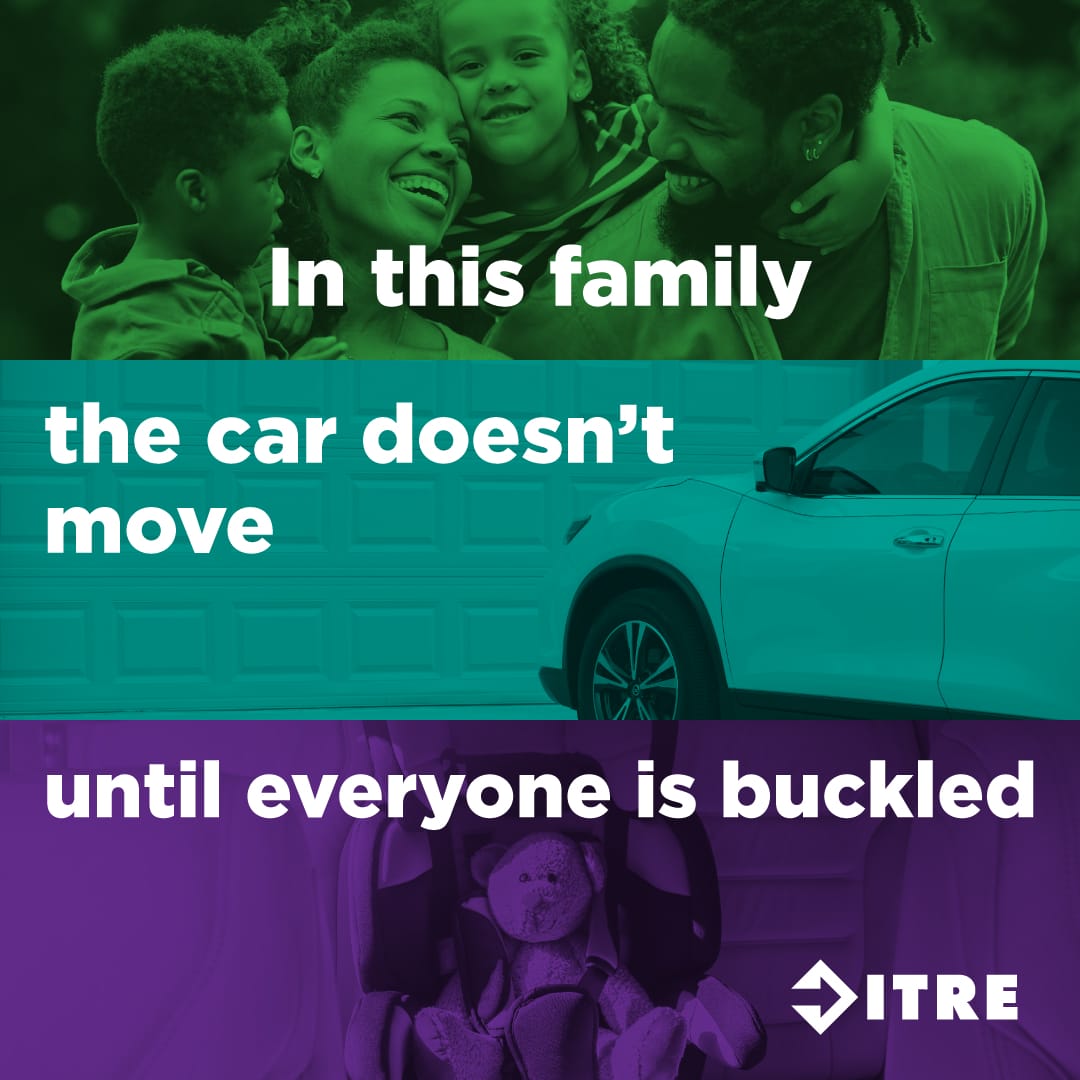
“Whenever we get into the car, I ‘race’ my son to see who can get buckled first.”

Talk to your children about the dangers of unbuckled passengers, and practice situations when they may have to ask someone else to buckle up when you’re not there.

Rule 3: We follow speed limits to stay safe

Higher speeds lead to more severe crashes. Talk with your family about the importance of controlling speeds and discuss strategies to consistently check speed on the road.

“If anyone in my family is running late, we text (before driving) that we’ll be late and will arrive ASAP = As Safe As Possible. We never encourage or support someone trying to ‘make up time’ by speeding.”

“I use adaptive cruise control on the highway to make sure I don’t accidentally speed.”

“Anytime I pass a speed limit sign, I check my speedometer.”

We will not be silent: How to advocate for safety when someone is driving dangerously

You caught a ride with your best friend after school, but she pulls out her phone halfway down the road. You are shocked that she is being so irresponsible, but you usually avoid conflict. What do you do?

Your rideshare driver is weaving through traffic, tailing other cars, and speeding. You don’t know him but you don’t feel safe. What do you do? 

Your cousin picks you up from work, but you notice he’s not wearing a seat belt. You don’t want to seem ungrateful for the ride, but you want him to buckle up. What do you do?


When you’re riding in a vehicle, your life is in the driver’s hands.

In 2021, 273 passengers were killed on North Carolina roads (Source: NCDOT Crash Facts).

So, what do you do if you’re riding with someone and the driver is doing something dangerous? What can you say if you don’t feel safe? It can be difficult, and sometimes awkward, to confront other people about their driving, but it can potentially prevent a crash and/or save lives. 

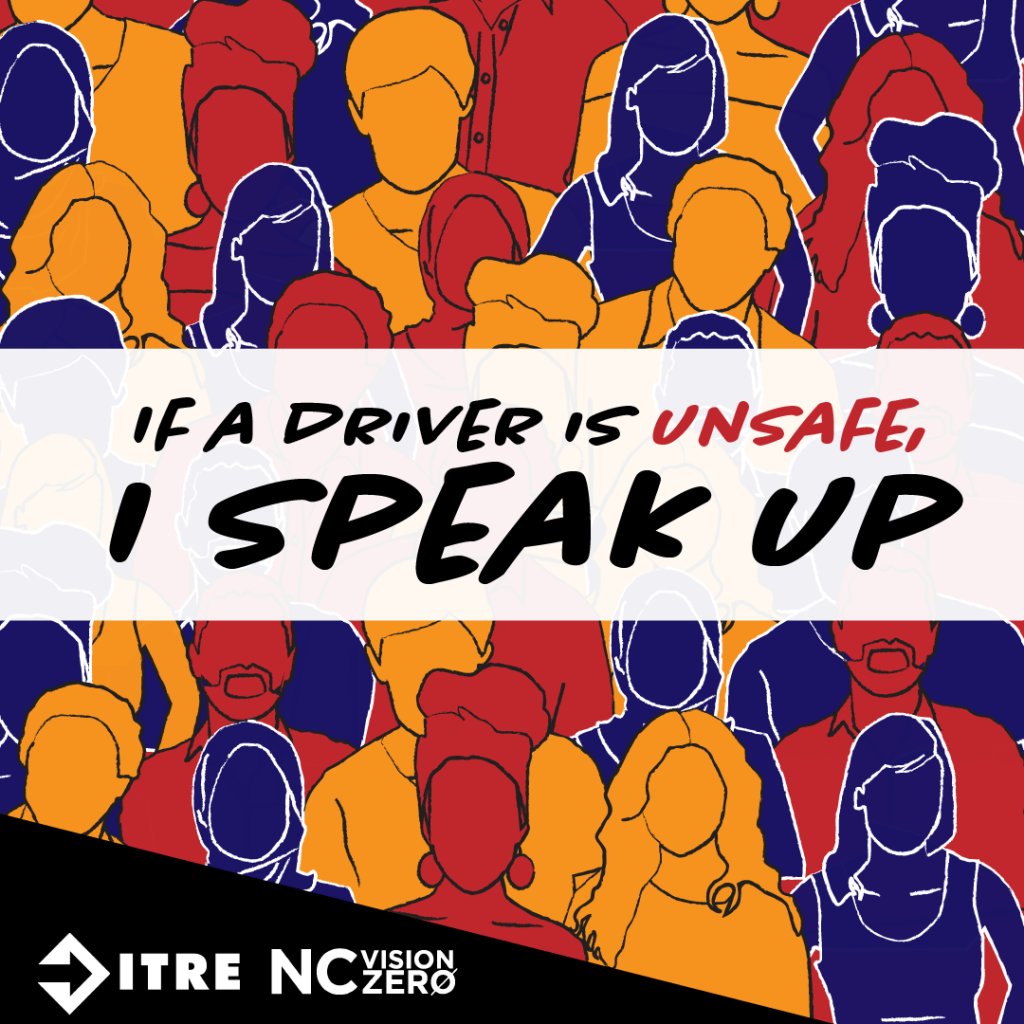
You have the right and the responsibility to speak up if someone is driving dangerously. This makes you an empowered passenger! Just remember to be a PEACH.

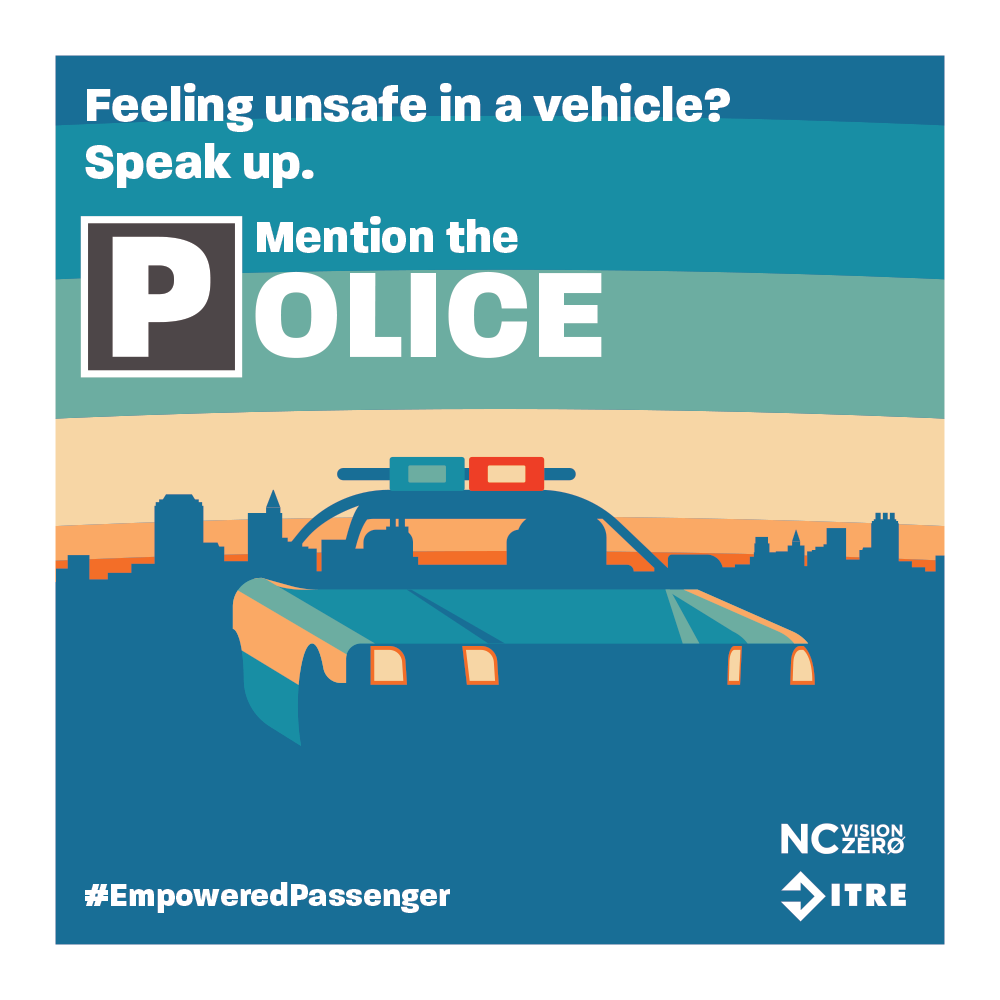
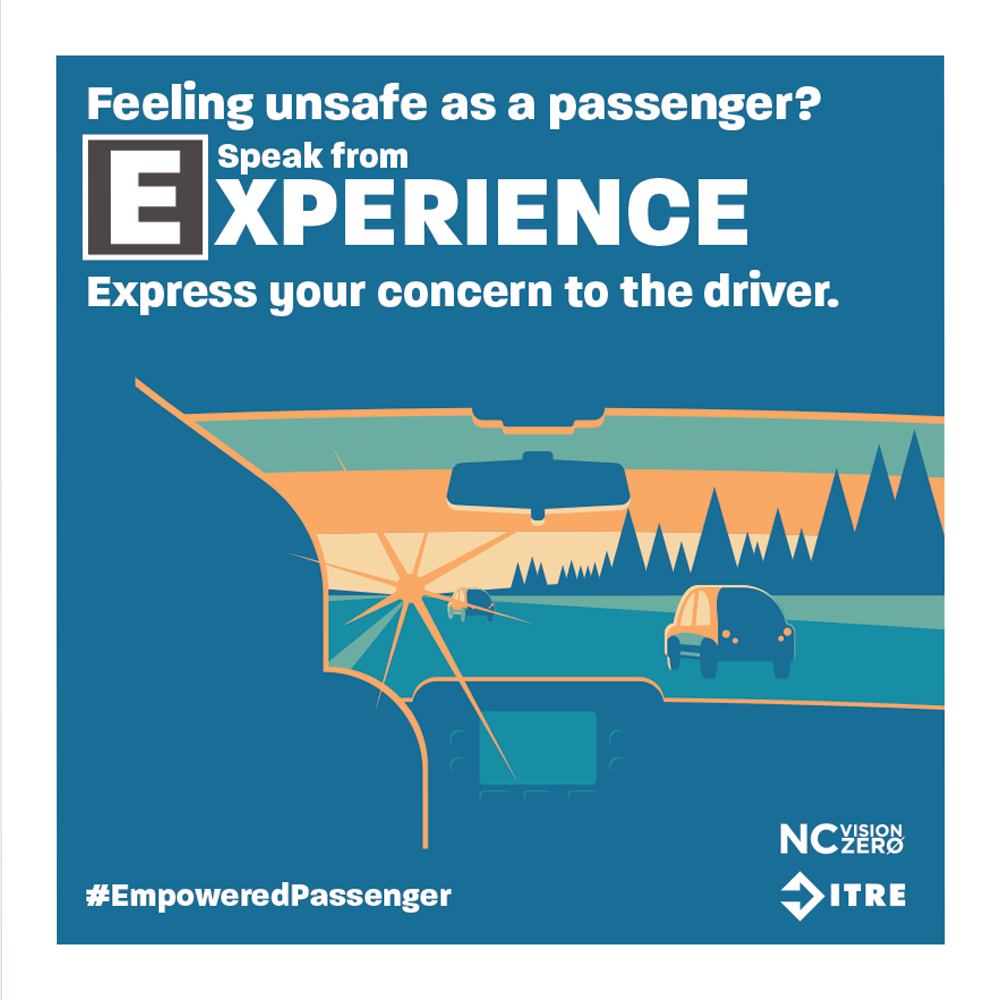
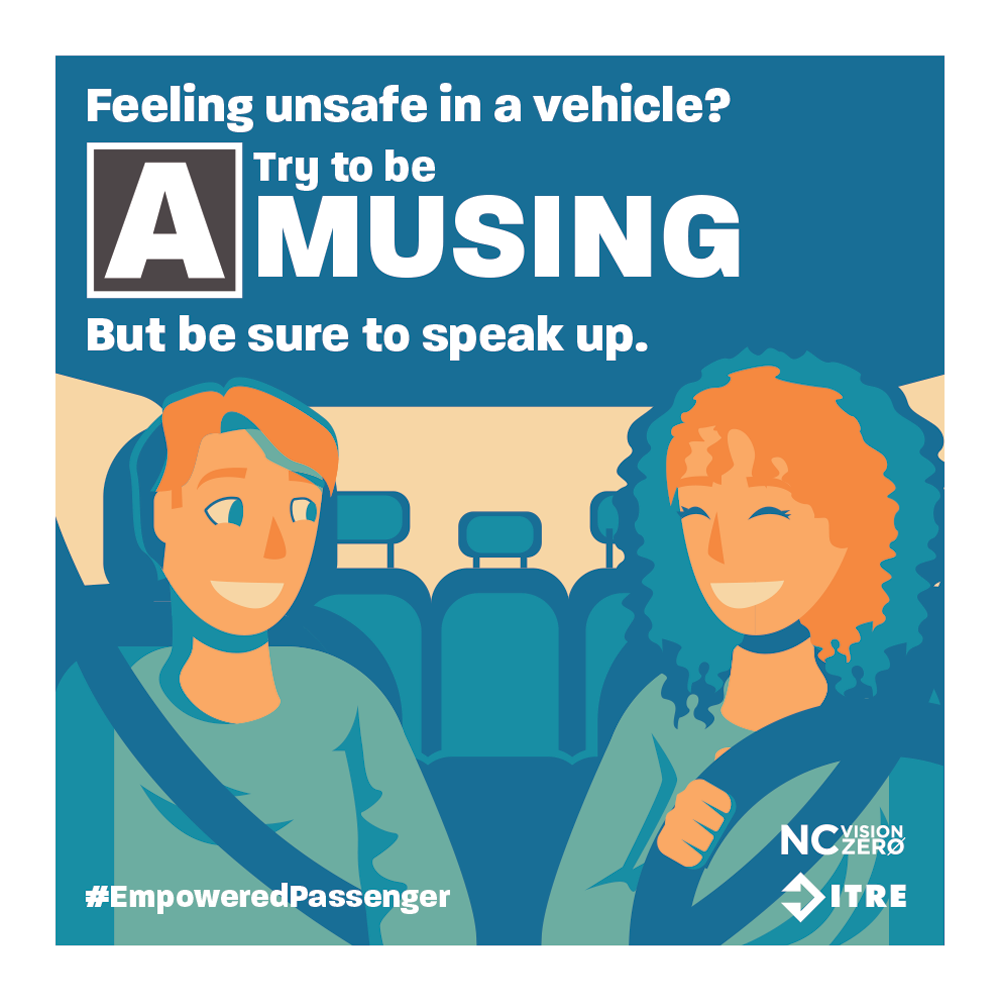
The PEACH acronym can help you remember things to say if a driver is being unsafe. 

One easy way to encourage a driver to change their behavior is to remind them of the threat of a traffic ticket. For example:

I’ve seen a lot of cops out today, you might want to slow down.

My cousin got a ticket for not wearing a seat belt last week – I think they’re cracking down on that around here.

Sharing a story or a personal experience may also help to persuade a driver to be safe.

For example:

My friend got hit by someone driving distracted last week. It really freaked me out.

I read a story this morning about a family killed by a speeding driver. It was heartbreaking.

If you can think of joke, humor can also be used to call attention to something that isn’t safe.


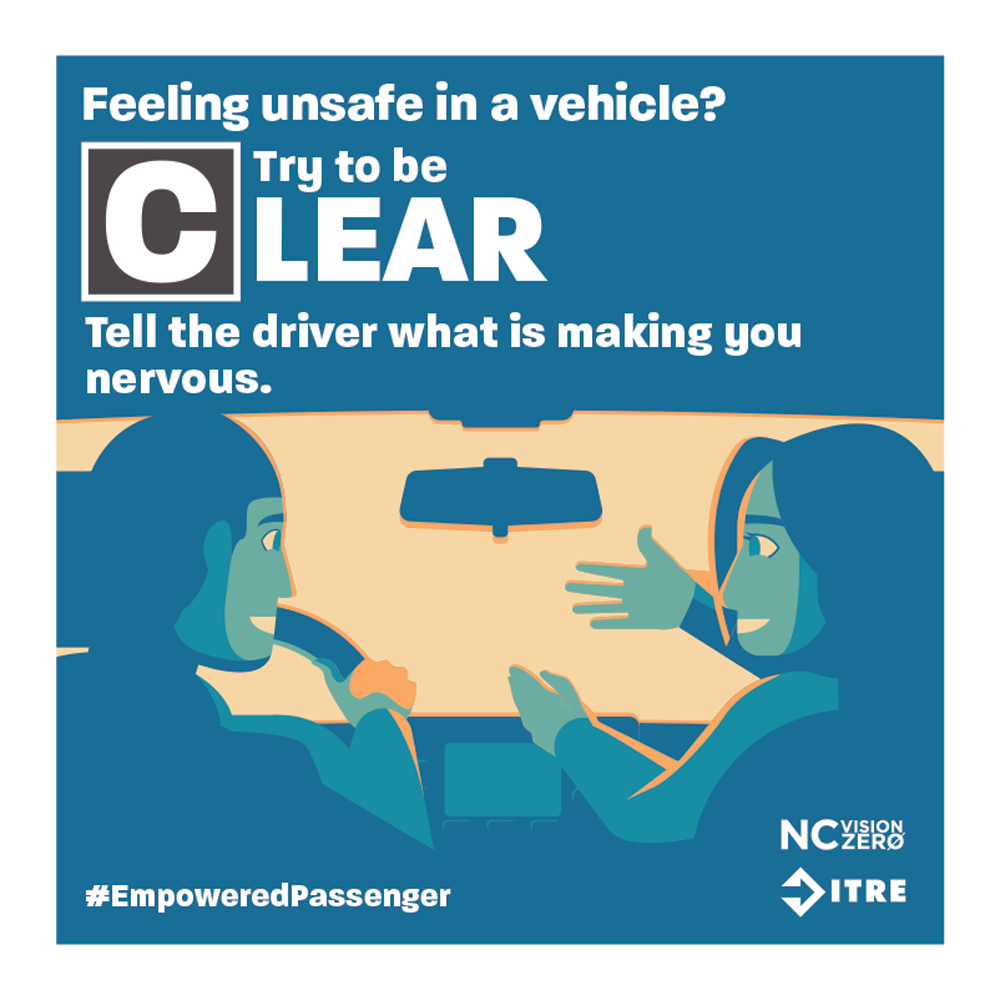
Sometimes being direct is the best option. If you feel safe to confront the driver directly, tell them what is making you nervous and ask them to stop.

For example:

Hey, you’re driving really close to that other car’s bumper. It’s making me nervous. Can you please ease up?

Please don’t use your phone while you’re driving – I don’t feel safe.

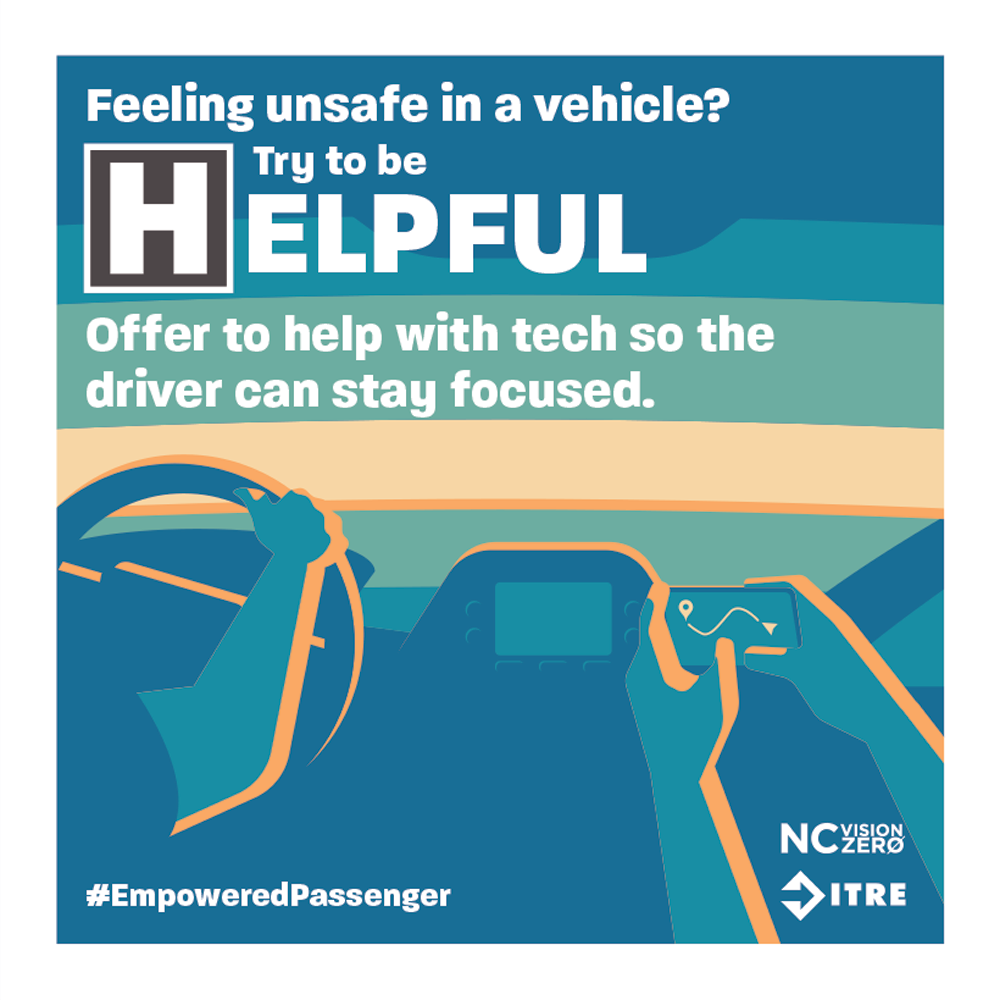
In some cases, it may be easier to offer to help rather than confronting someone directly.

For example:

Here, let me type that for you so you can keep your eyes on the road.

Want me to call them and tell them we’re late so you don’t have to speed?

Lastly, if you have tried speaking to a driver and they continue to make dangerous choices, your safest option is to get out of the car (in a safe location) or refuse to ride with them again in the future.